Thanks to its privileged geographical location in the Mediterranean, the island of Crete is unique, with an excellent climate and a remarkably varied flora and fauna. The long and rich history of its inhabitants, and their contribution to European Civilization, goes back to mythical times, when Zeus Cretogenes (= Cretan-born), father of gods and men, in the guise of a bull abducted Europa and brought her to Crete.
From 6000 BC to the present day, Crete has played a leading role in the events of Greek and European history, as attested by the excavations at Knossos, where the island’s earliest Neolithic settlement was found, and which in the Bronze Age developed into the most important and organized centre that is rightly dubbed the cradle of European Civilization.
The Minoan Civilization (ca. 3000-1100 BC), which was named after Minos, son of Zeus and Europa, is characterized by populous urban centres and large palaces, a highly-organized economic and religious life, advanced social structure and impressive artistic creation. This splendid culture and the Minoan thalassocracy were dealt a serious blow by the tremendous eruption of the Thera volcano around 1600 BC. The invasion by the Achaeans from the Peloponnese ca. 1450 BC essentially transformed the island into a Mycenaean province, subject to the powerful royal house of the Atreids.
Around 1100 BC, during the migration southwards of the Hellenic tribes, the Dorian ‘invasion’ of Crete radically changed the life of its inhabitants. The refined lifestyle of the Minoans and Achaeans was succeeded by the austere military lifestyle of the new incomers. The cities were organized internally and there was a wise and just legal code. For the early centuries (11th-9th c. BC) there is little information about the island. During the eighth and seventh centuries BC there was a marked development of maritime trade and colonies were founded. In the ensuing centuries, down until the closing years of the 4th century BC, Crete was relatively isolated from the mainstream of the Hellenic world.
In Hellenistic times (323-69 BC) Crete was at the centre of the expansionist designs of the Ptolemies of Egypt and other kingdoms of the East. Wars and internecine strife brought the island to its knees in economic and military terms, leaving it easy prey for the Romans, who conquered it in 69 BC. Christianity came to Crete in AD 64. During the Early Byzantine period (330-824) magnificent churches were built. The surviving remains reveal a high standard of creativity in religious art.
In 824 Crete was subjugated by the Arabs, who founded a singular emirate based on piracy. One hundred and fifty years later, the island returned to the fold of the Byzantine Empire. During the second Byzantine period (961-1204) it had very close relations with Constantinople. When the Crusaders of the Fourth Crusade conquered Byzantium and carved up its territories, Crete was ceded to the Venetians.
The Venetians settled on the island in 1204 and remained until 1669. In the first centuries there were fierce struggles against the occupiers. However, with the passage of time, the frequent communication with the West and the European Renaissance, there was a flourishing of Arts and Letters on Crete, particularly in the last two hundred years of Venetian rule. The Renaissance resonances in Cretan culture can be seen in the monuments of architecture and sculpture, in painting, in the monastery libraries and their scriptoria for manuscripts. The Cretan Renaissance was stopped short by the Ottoman conquest of the island, after a long and hard-fought war between Venetians and Turks.
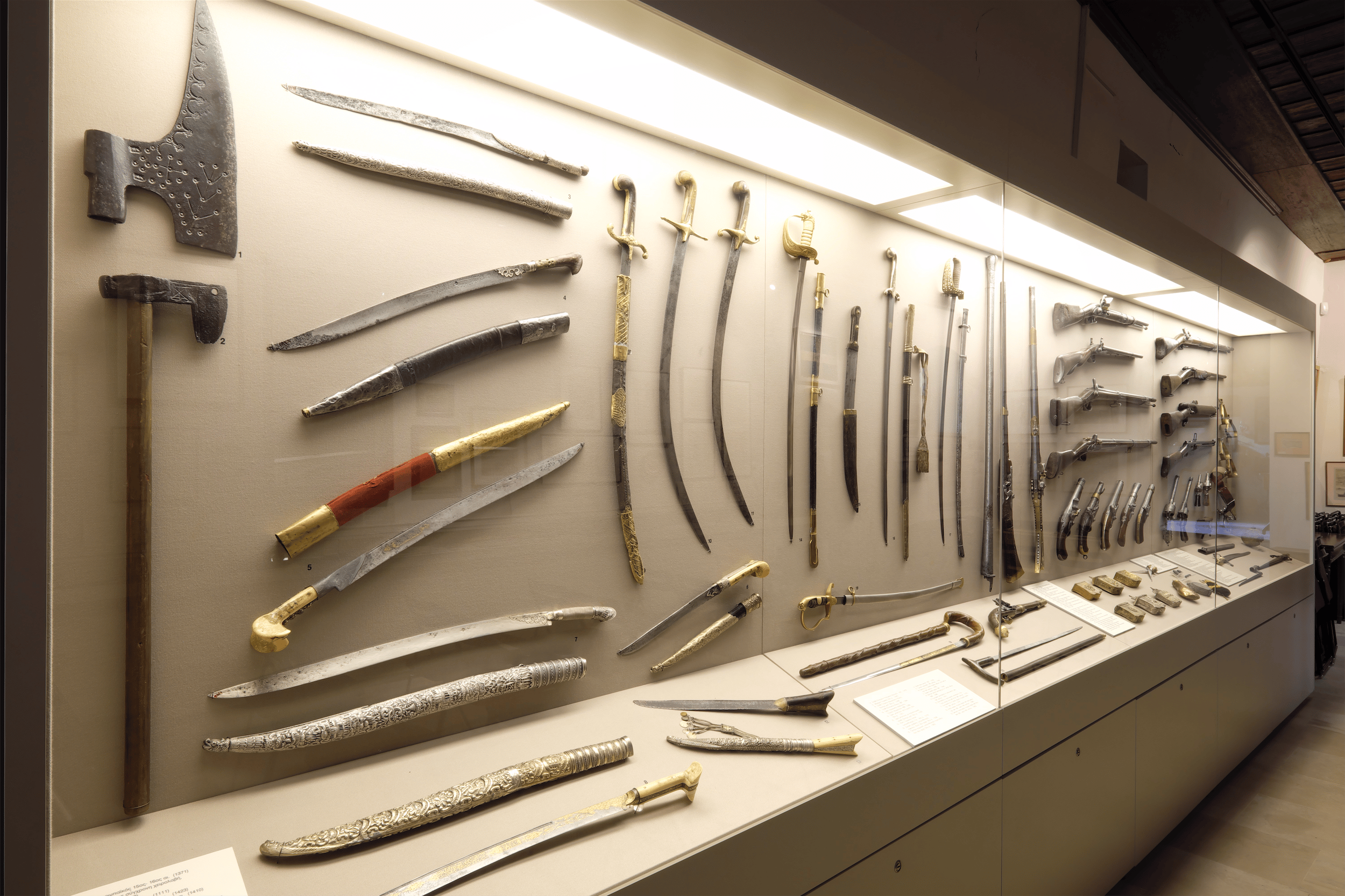
Ottoman rule in Crete (1669-1898), particularly in the early years, brought desertion of the large urban centres, cessation of trade, economic recession to rudimentary forms of rural and pastoral life and the suppression of Arts and Letters. In the second period there were nine major uprisings, in an incessant, intractable and persistent struggle against the Ottoman Turks. In 1898, with the intervention of the Great Powers of Europe, a temporary solution was given to the plight of Crete, by conceding Autonomy and setting up the Cretan State.
The period from 1898 to 1913 was a transitional one, constituting the preliminary stage of the Union of Crete with Greece, which finally took place on 1 December 1913.
The history of the island in the ensuing years up to the present day, is interwoven with that of the Greek State. In the Second World War, the famous Battle of Crete was fought in May 1941, when the Germans invaded the island. Once again, the Cretans set a splendid example of bravery and courage, self-sacrifice and love for freedom and their country.
This brief review of the history of Crete is based on the book History of Crete (Herakleion 1990 – in Greek) by Professor Theocharis Detorakis, University of Crete.