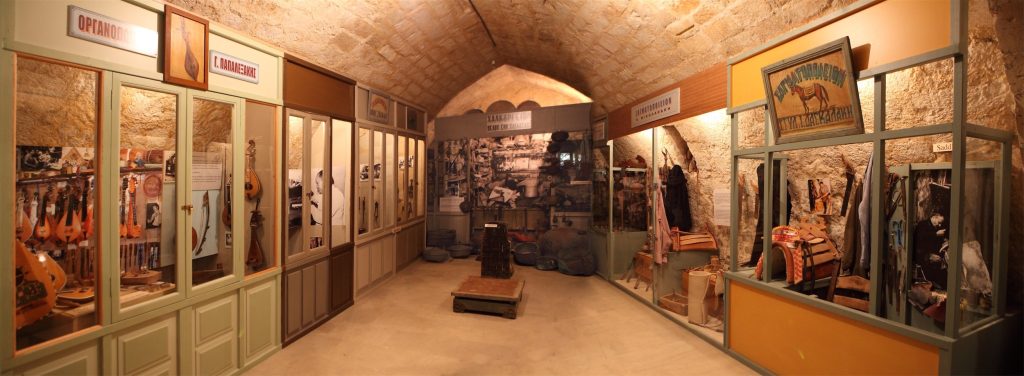
The twentieth century brought many changes to the life of all. The pace became rapid, machines replaced human hands and many traditional trades disappeared forever. Countless handmade tools that were used by craftsmen no longer exist. The personal touch each craftsman gave to his craft, thus creating a special identity, has vanished in our mechanized age.
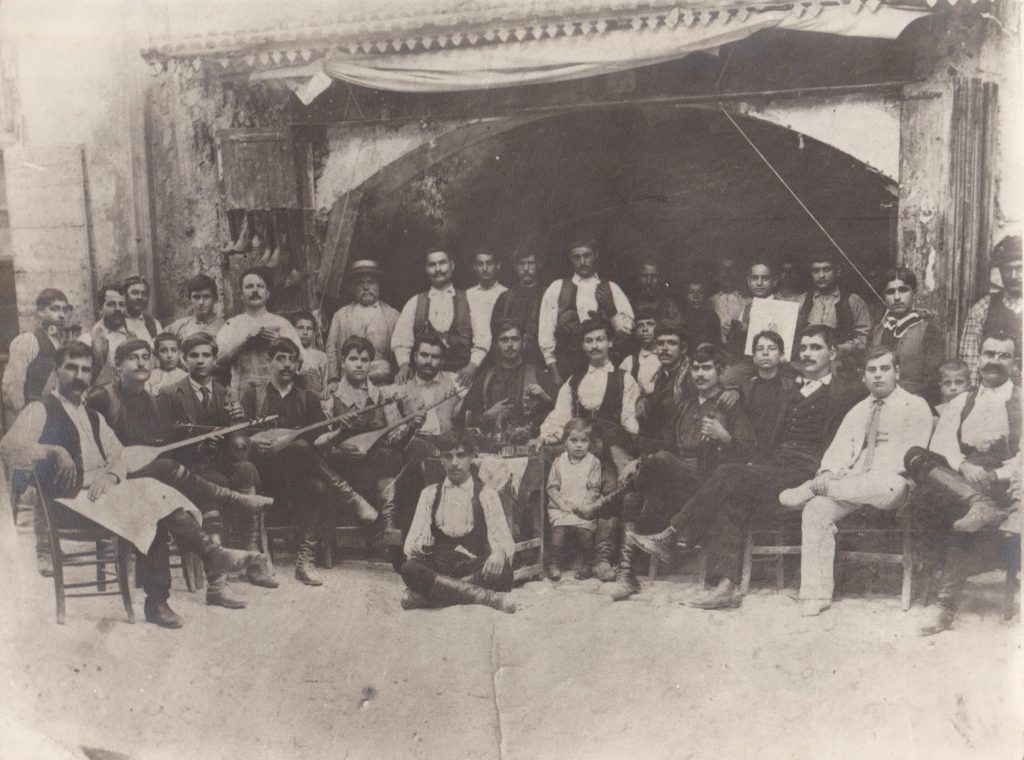
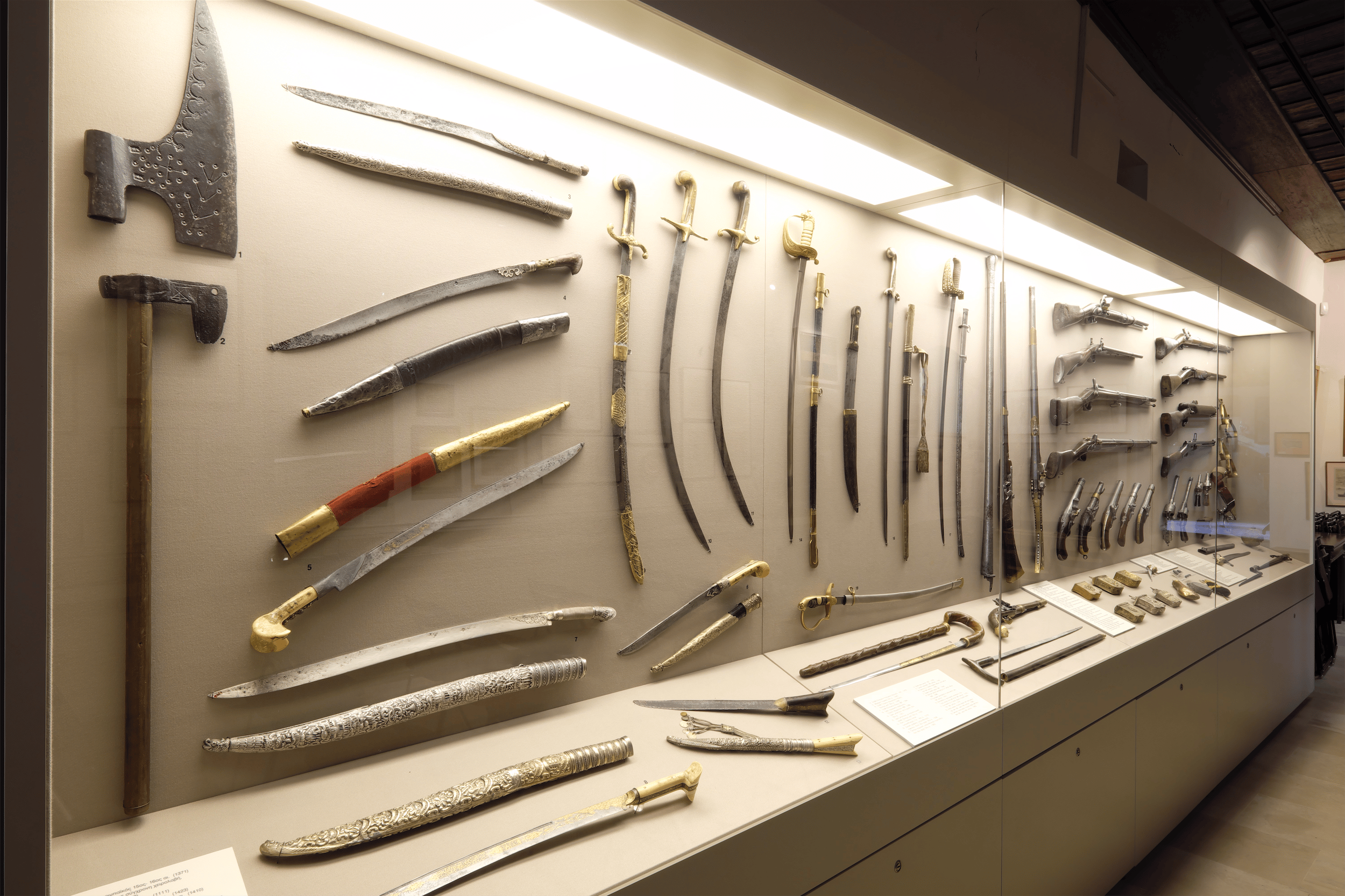
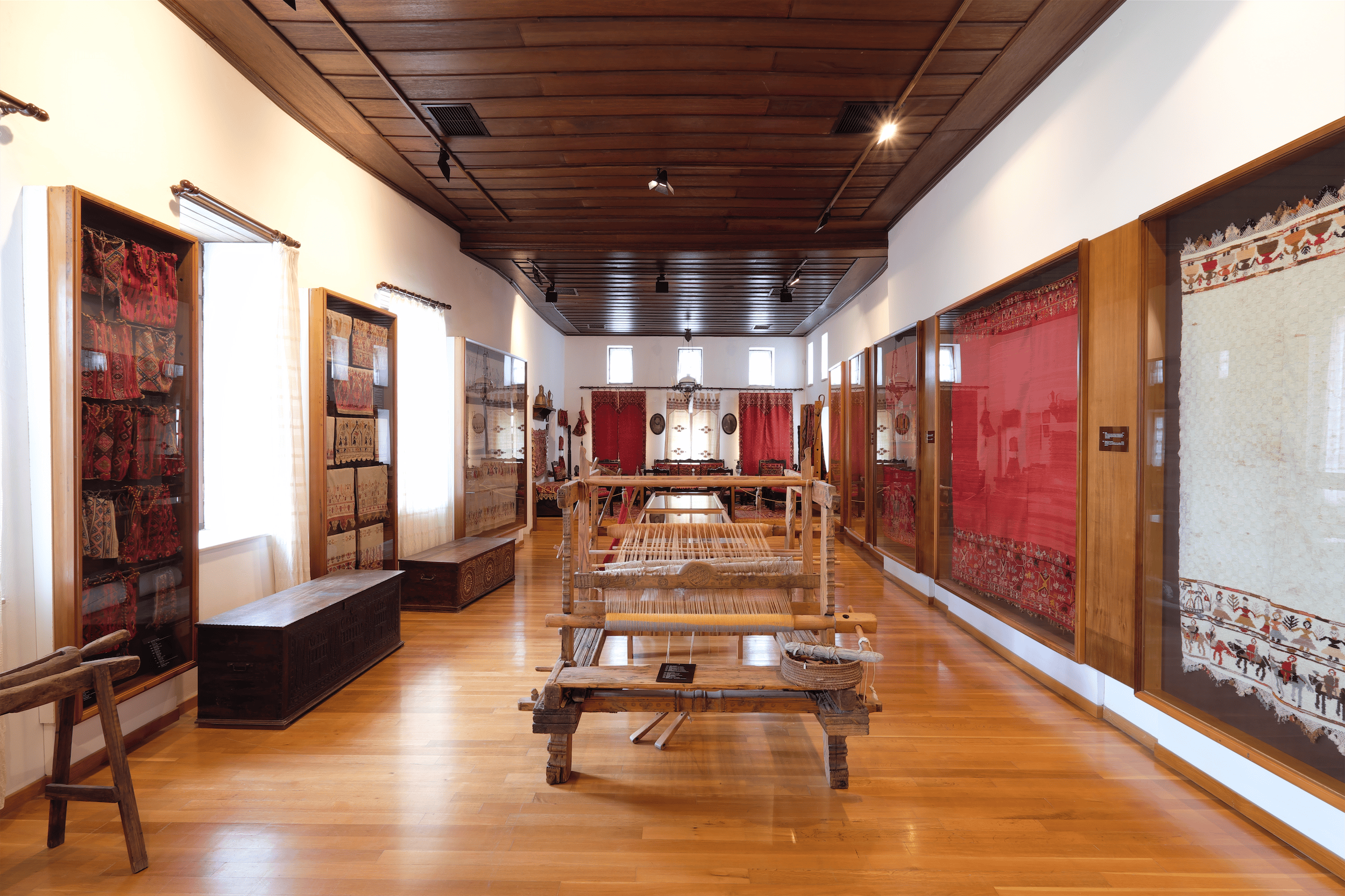
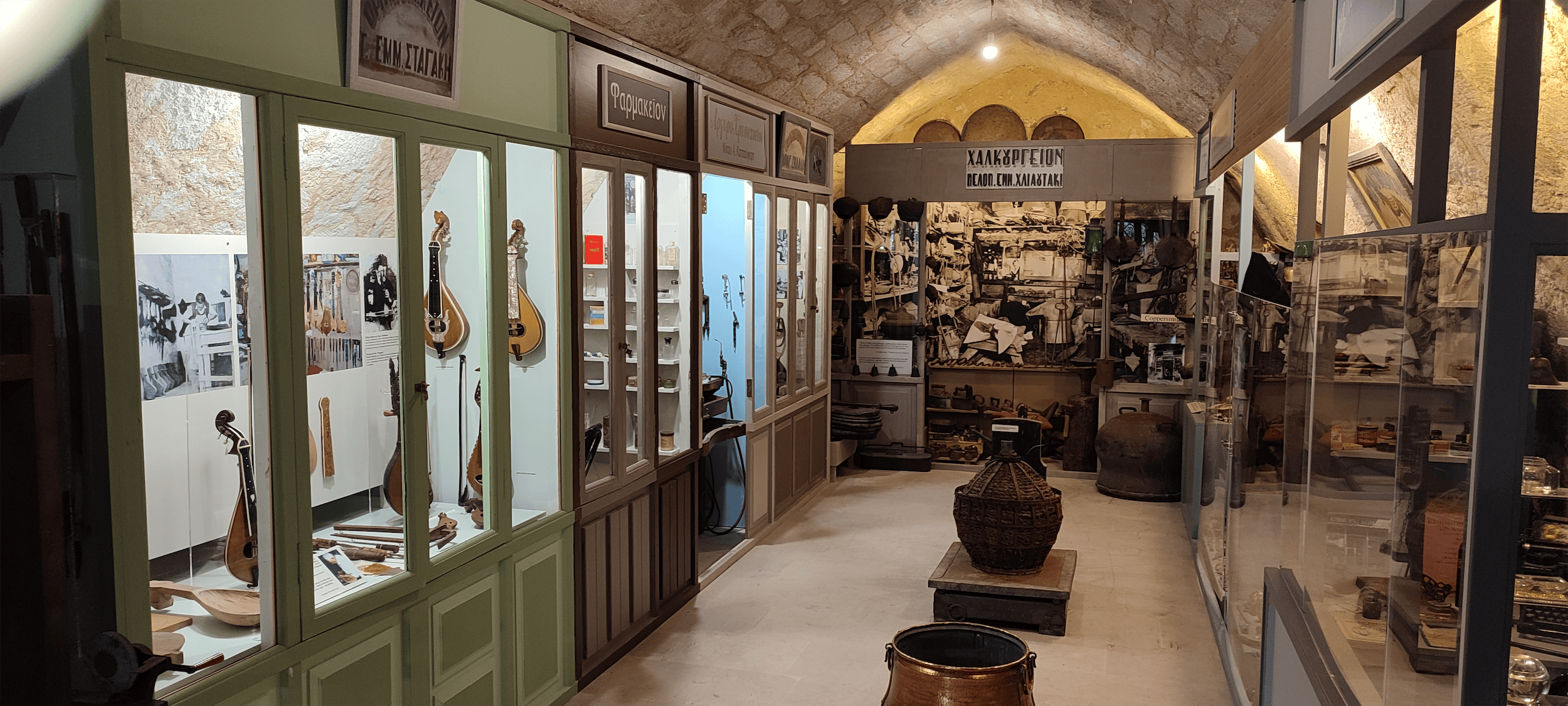
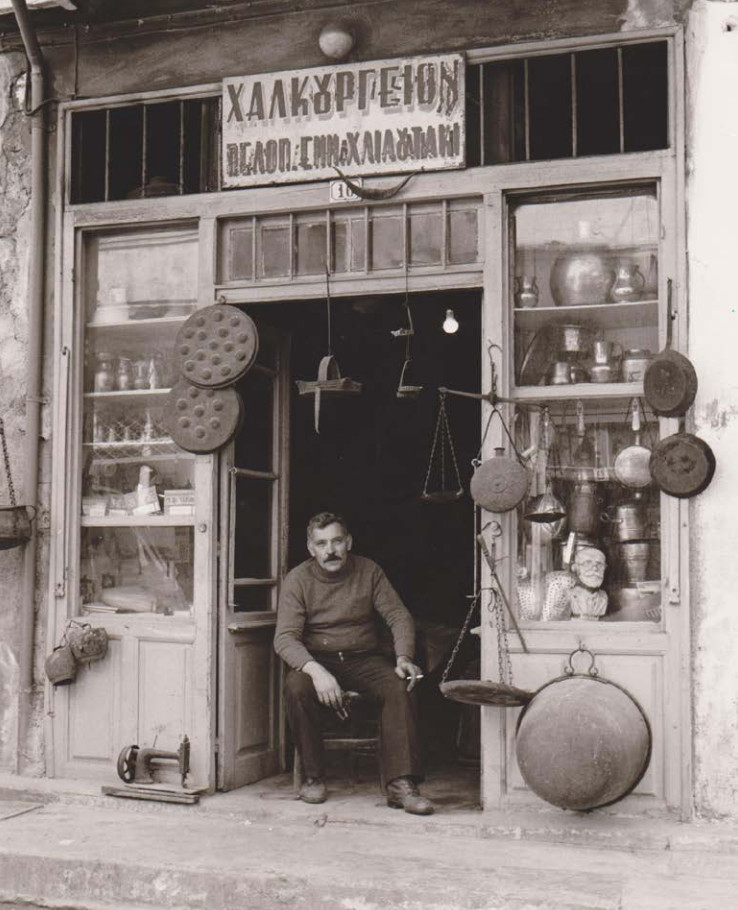
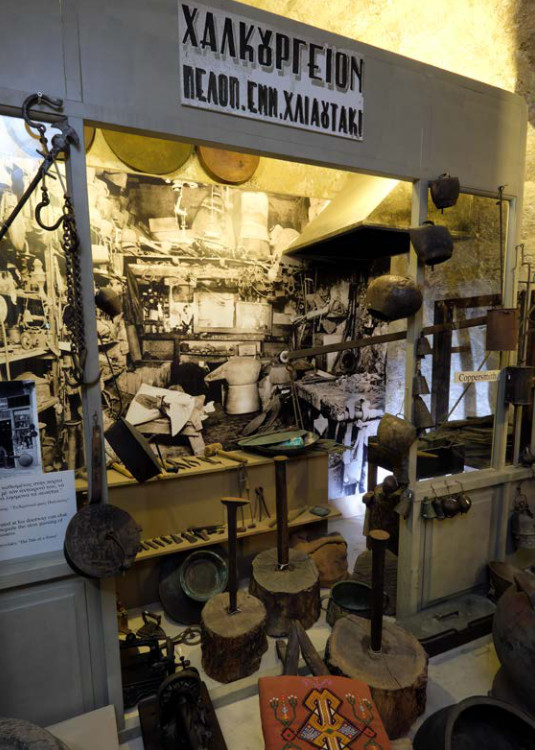
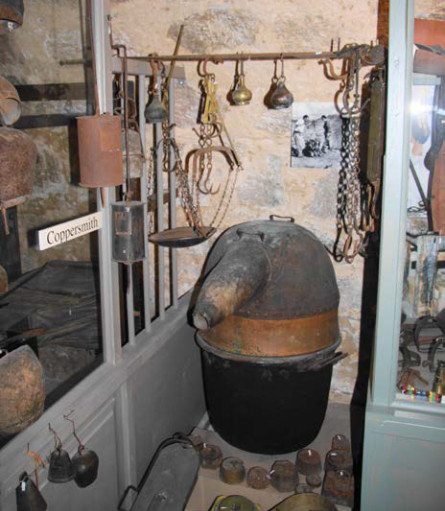
Trades such as the saddler, the farrier, the currier, which for years were bound up with the life mainly of the rural population, perhaps still exist in remote villages. But the coppersmith’s forge with the picturesque bellows and the human toil beside the fire have been replaced by soulless machines. The terzίs who sewed the traditional male and female costume is rarely encountered today. Hand-crafted knives such as the tsakάkia will soon be gone forever, as cutlers are dying out. The silk-spinner (metaxάs) who went round the villages and with the reel (svίga) wound the silk filament unravelled from the cocoons and twisted it into thread, is no more. The musical instrument maker (organopoiόs), the cutlers who make certain Cretan knives and the coffee shop continue Cretan tradition.
With these tangible samples of the traditional handicraft of Crete, an attempt is made to present a picture of old Rethymnon, as described by the author Pantelis Prevelakis in his evocative work The Tale of a Town, excerpts from which accompany the exhibition.