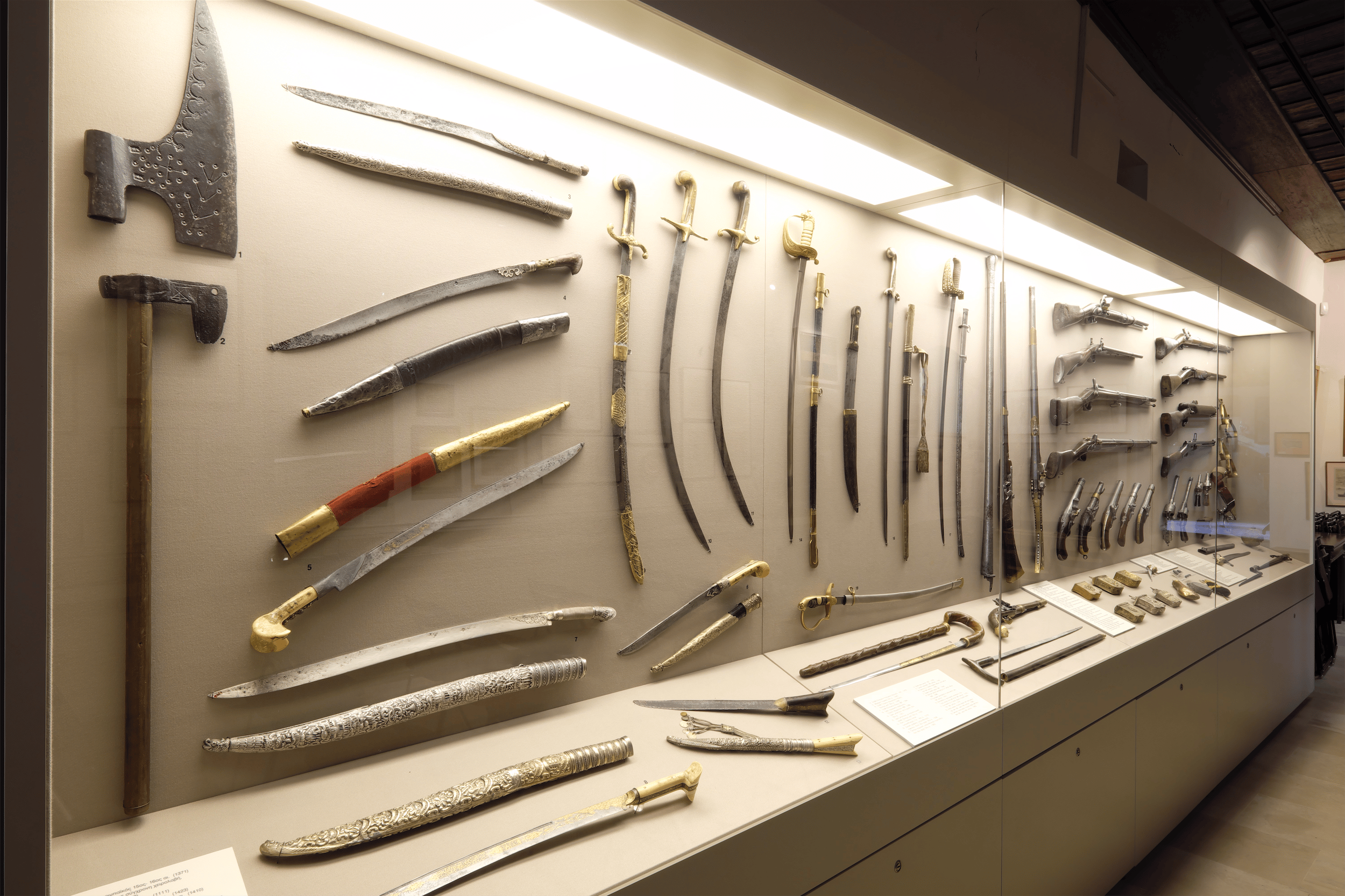
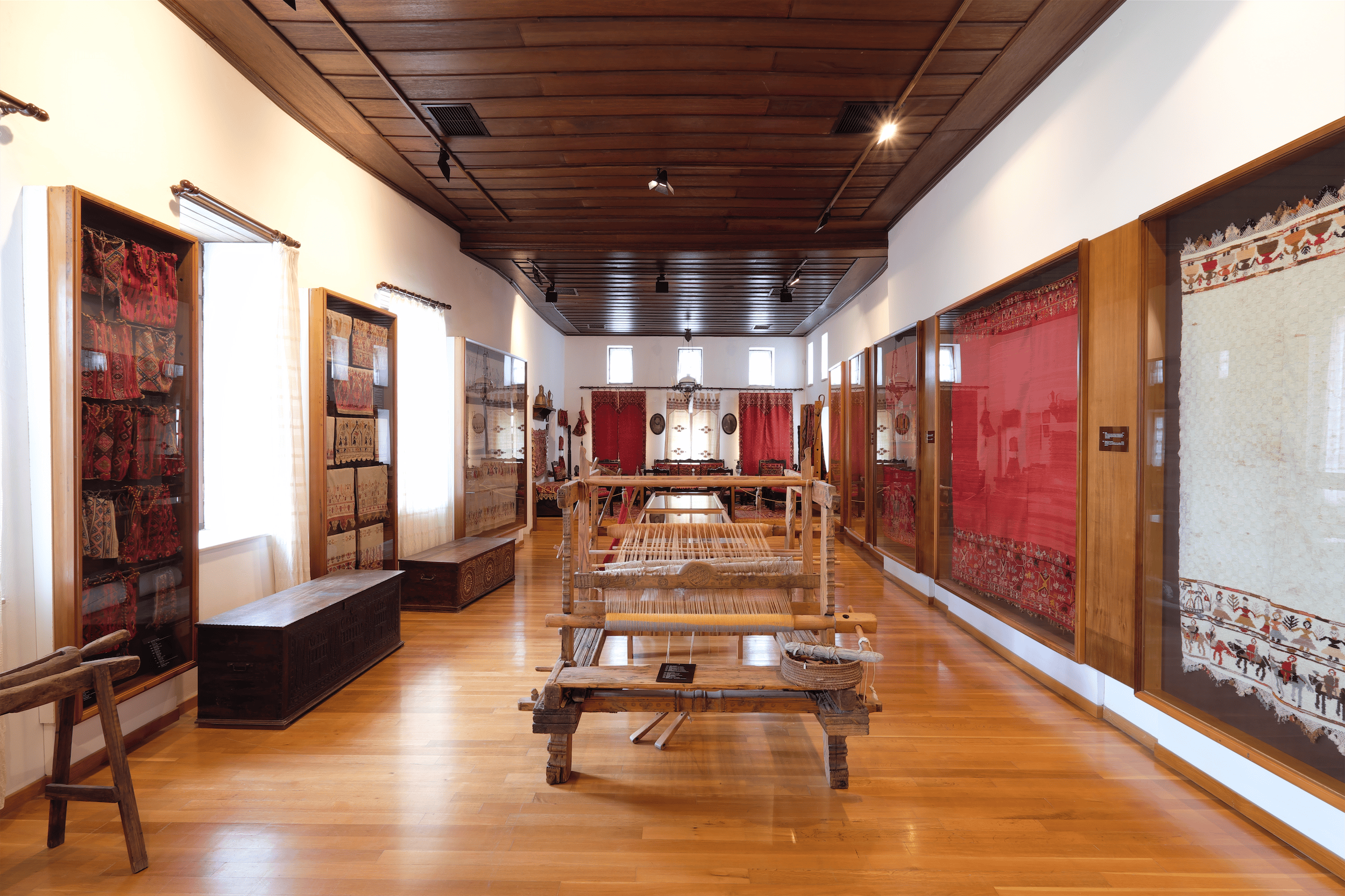
In the folk art collection we present objects of traditional handicrafts, weaving, tools of weaving, embroidery, laces, pottery, baskets, agricultural tools. Also the production of silk, bee-keeping and the traditional breads of Rethymnon.
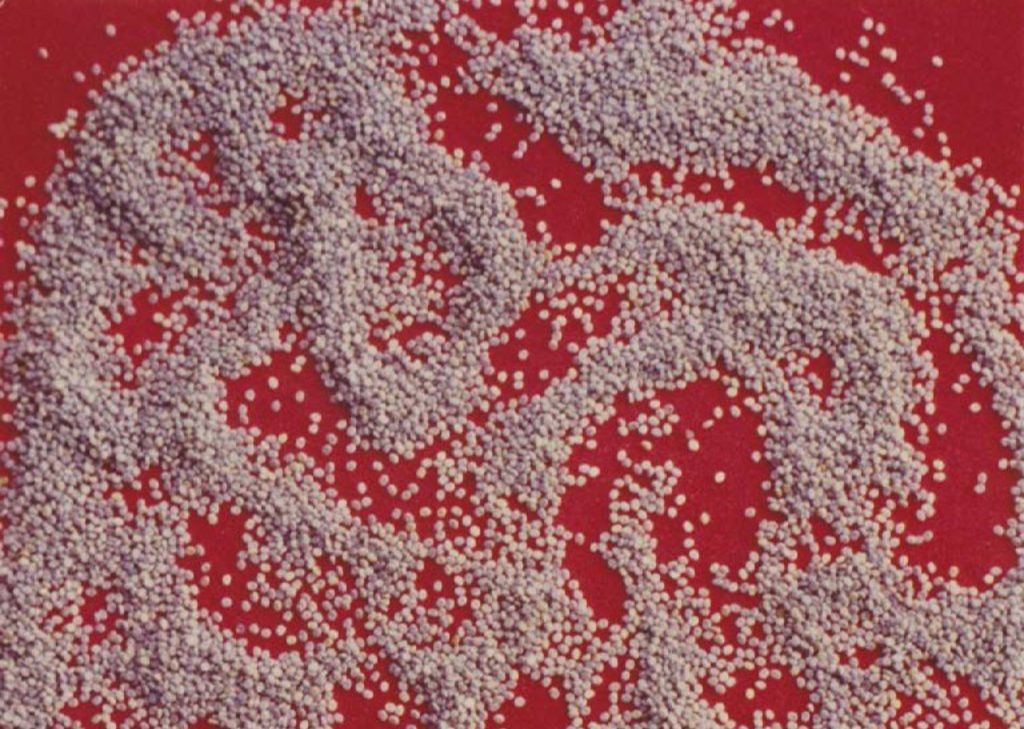
Sericulture – Silk production
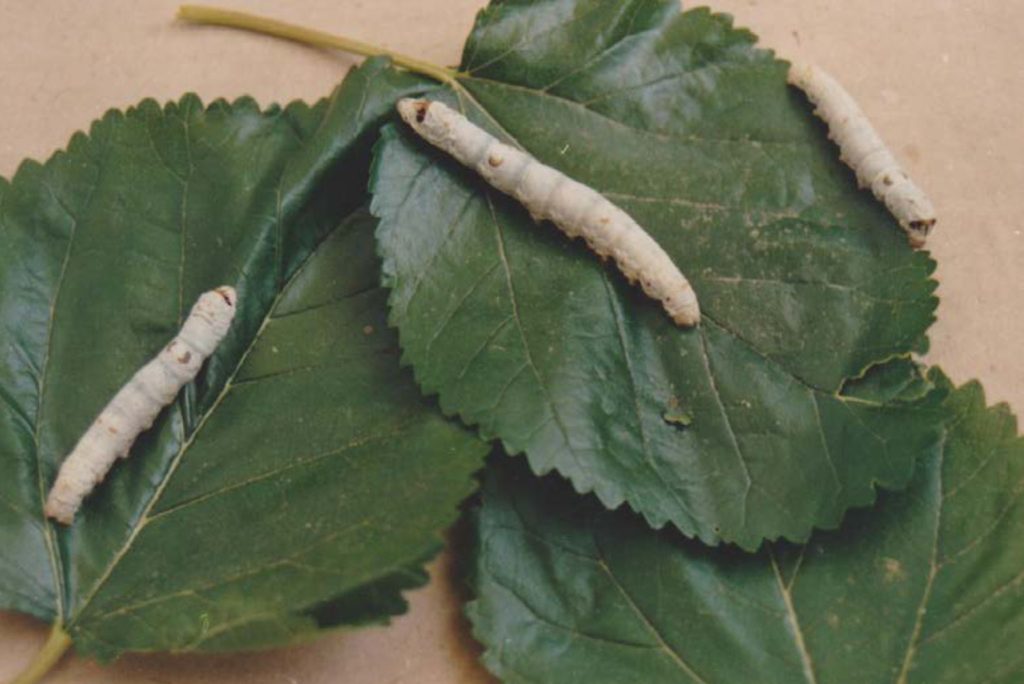
Silkworms were reared in Crete during the period of Venetian rule (1204-1669). White and black mulberry trees, the leaves of which were the staple foodstuff of the silkworms, were planted mainly in the Rethymnon area.
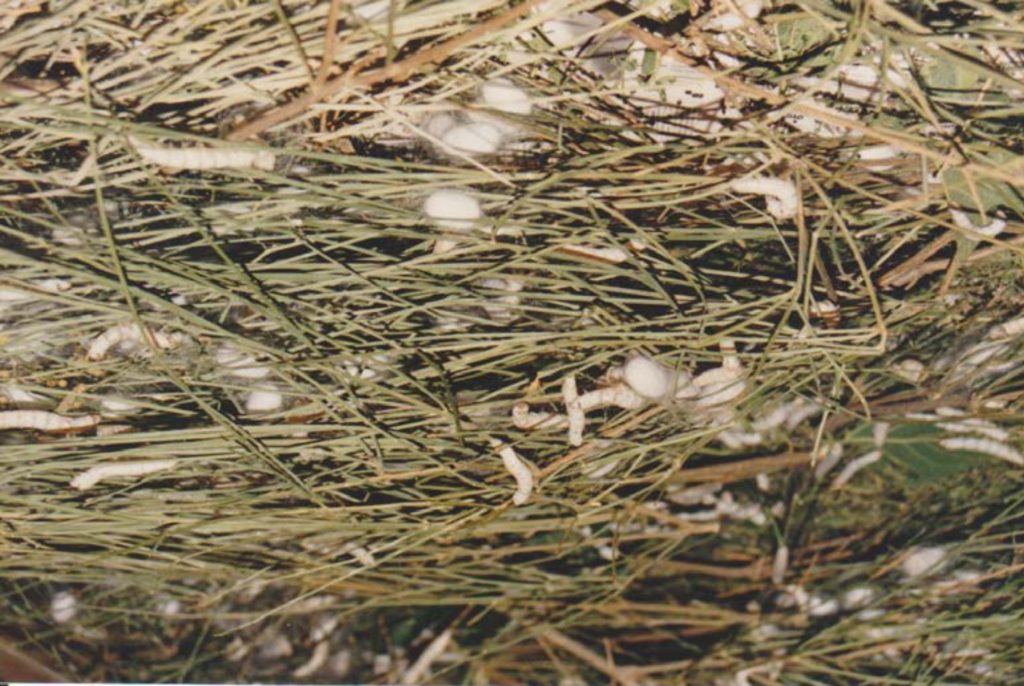
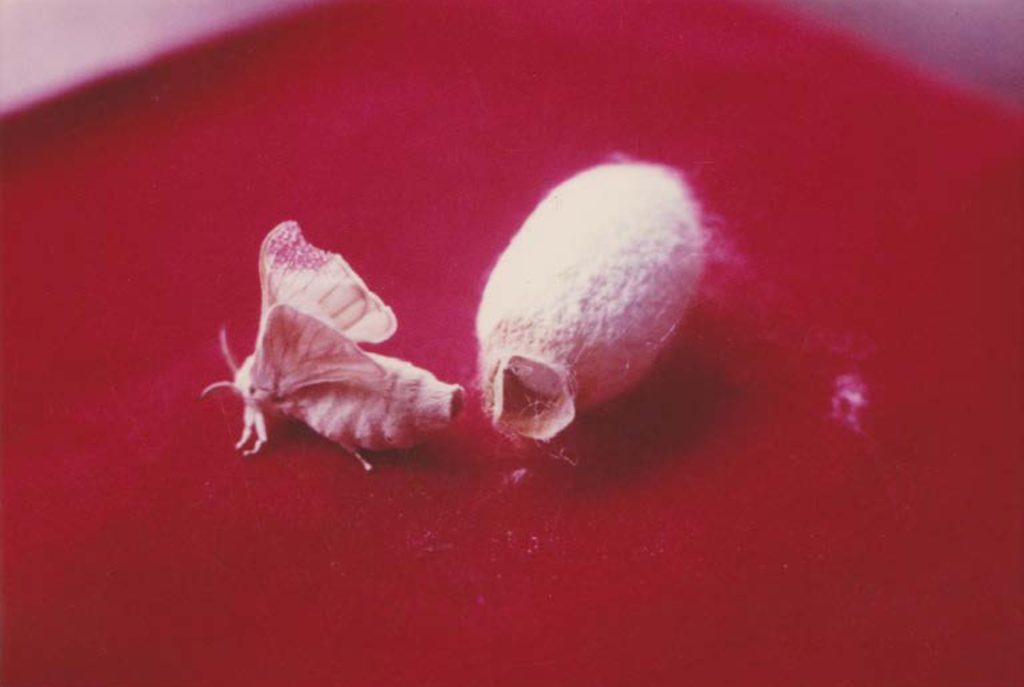
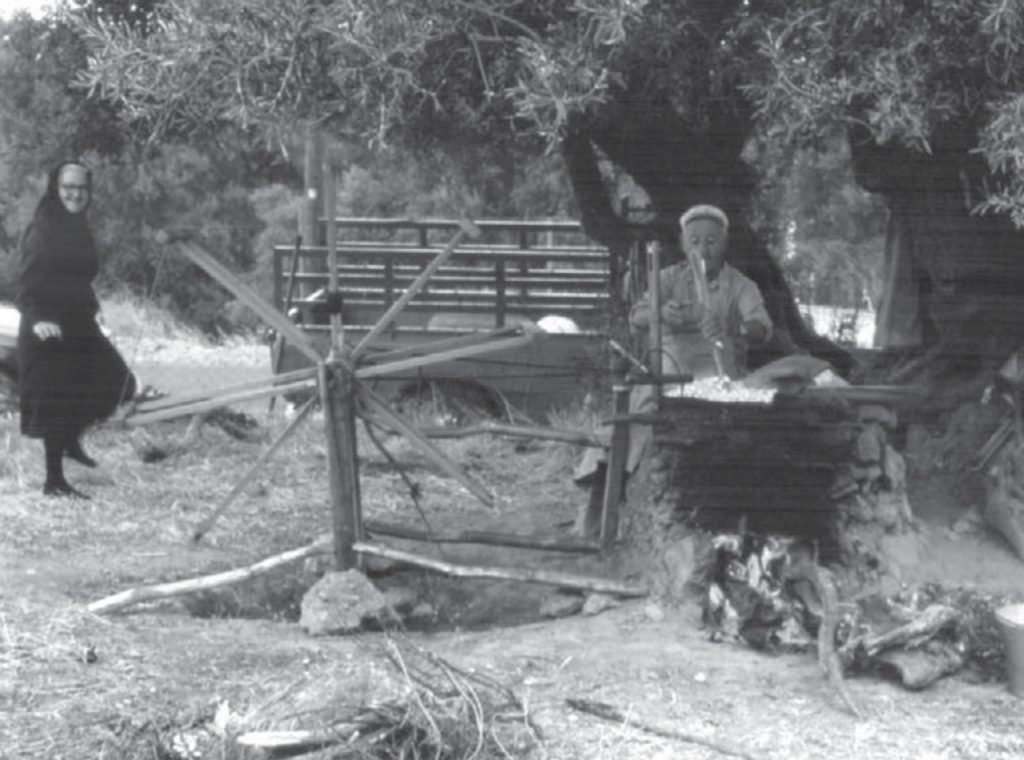
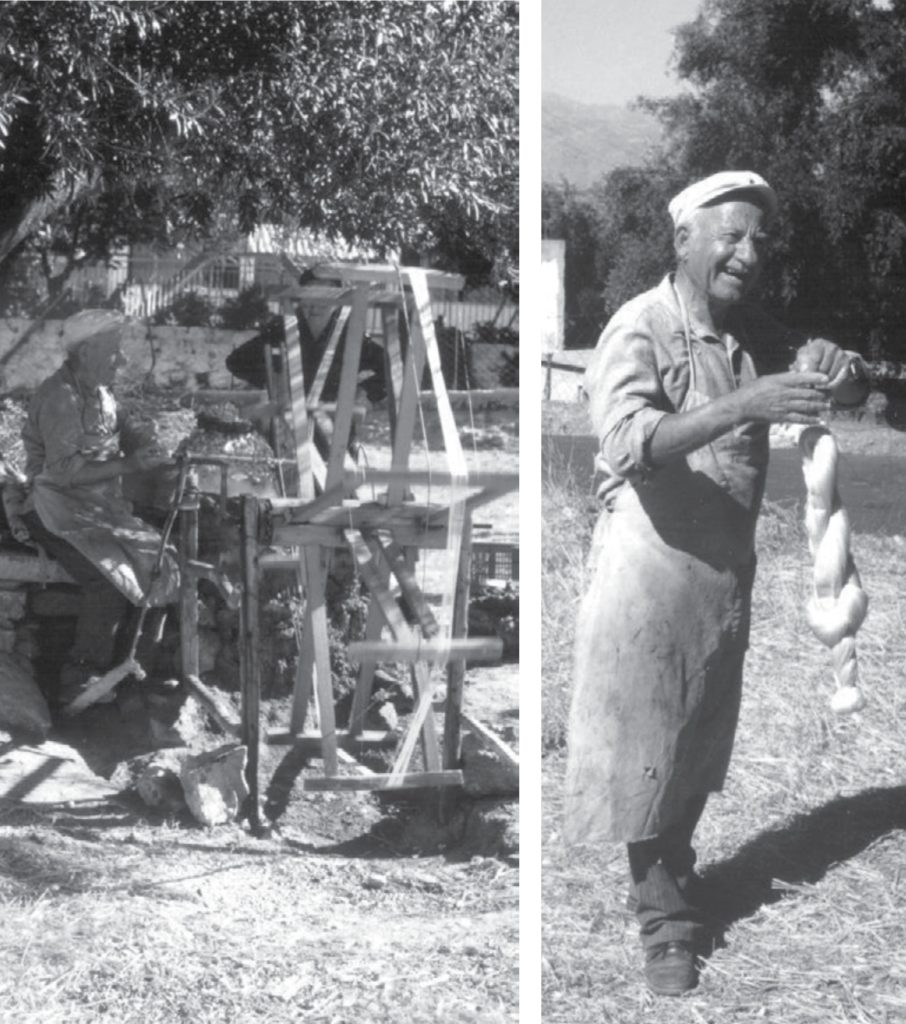
The rearing of the silkworms and the processing of the cocoons were highly developed skills, and Rethymnon became the production centre of silk thread and silk textiles.
The silk trade, mainly to Venice but also to other European ports, was exclusively in the hands of Cretan merchants on direct missions.
During the period of Ottoman rule (1669-1898), the export trade in silk virtually ceased in the early years. However, it picked up again in the eighteenth century, with the installation of French Consuls in Crete, and was conducted mainly with French ships.
In the nineteenth century Crete continued its silk trade to various Mediterranean ports and in addition to silk thread exported some garments, such as silk shirts for men. Cretan merchants with their own ships were engaged in considerable export trade through Hierapetra.
Although sericulture in Crete was never on an industrial scale and always remained a family occupation, it satisfied the local demand and the exports of silk to foreign markets remained stable until the early twentieth century.